Free Chinese picture practice, ready for your classroom

These Chinese teaching resources are for Mandarin teachers, tutors, and parents who want to get beginners speaking with one screen. For a five-minute warm-up, project a scene before students open their notebooks. Give everyone a few seconds to look, point to one detail, and ask for its name. Let partners whisper an answer before you call on a learner. Play the Mandarin pronunciation, then point again so the class can try the word together.

In a small group, give one child the pointer and another the job of calling a classmate’s name. The classmate names the picture and chooses who goes next. At home, a parent can take the first turn and let the child be the teacher on the second. Choose a scene below to open the practice directly. Nobody needs to register, and a single browser on the teacher’s computer is enough for the whole class to participate.

Download the worksheets (PDF)
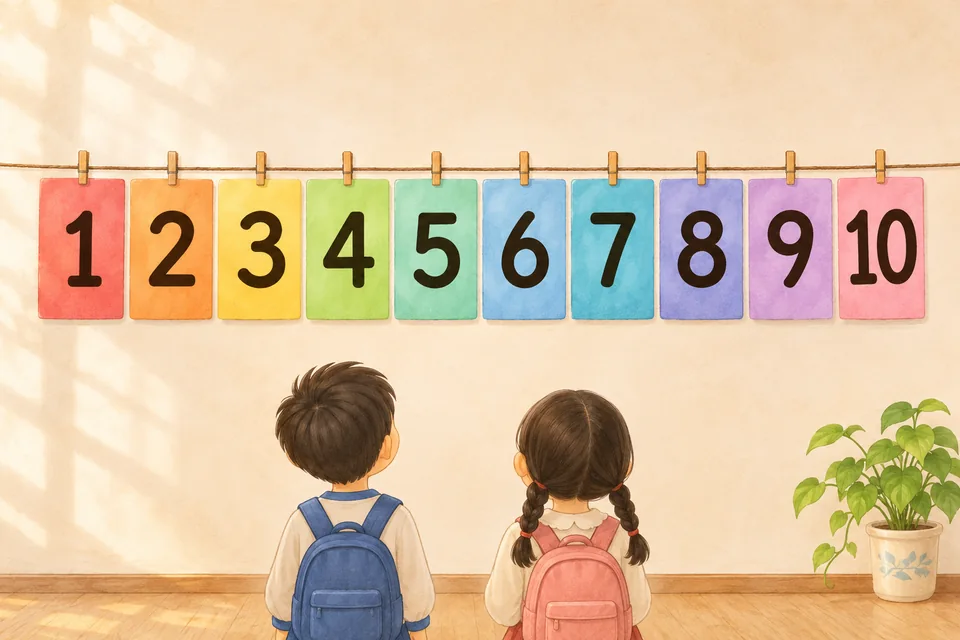
A classroom with ten colored cards numbered 1 through 10, hanging above two students.
The number scene used in the first practice set.

Eight scenes and what to practice

Each card has twelve words to take into class. The first list follows the interactive scene. Where the online set is shorter, the classroom extensions give you words to introduce with a gesture, a sketch or an object from the room.

A classroom with ten colored cards numbered 1 through 10, hanging above two students.

Numbers

Work along the row of number cards once so everyone hears the sequence. Then point out of order. A learner who can chant from one to ten may need a moment to retrieve 七 on its own. Draw a zero and an eleven on the board for the extension round.

In the scene

  • 一yīone
  • 二èrtwo
  • 三sānthree
  • 四sìfour
  • 五wǔfive
  • 六liùsix
  • 七qīseven
  • 八bāeight
  • 九jiǔnine
  • 十shíten

Classroom extensions

  • 零língzero
  • 十一shíyīeleven
Open numbers practice

Cover the word list. Choose three things in the picture and write or say their names in Mandarin.


Eight objects on two wooden shelves: a red backpack, blue bottle, yellow boots, green watering can, black headphones, white mug, purple gift box and orange basket.

Colors

Start with two colors that are easy to tell apart. Point to a colored object, ask 什么颜色? and accept a color word on its own. Invite a partner to find the same color elsewhere in the classroom. Use pencils or paper scraps to introduce the extra shades.

In the scene

  • 红色hóng sèred
  • 蓝色lán sèblue
  • 黄色huáng sèyellow
  • 绿色lǜ sègreen
  • 黑色hēi sèblack
  • 白色bái sèwhite
  • 紫色zǐ sèpurple
  • 橙色chéng sèorange

Classroom extensions

  • 粉色fěnsèpink
  • 棕色zōngsèbrown
  • 灰色huīsègray
  • 金色jīnsègold
Open colors practice

Cover the word list. Choose three things in the picture and write or say their names in Mandarin.

A classroom with an apple, a cat, a blue book, a sheet of paper, a hanging scarf, a teacher, a bicycle and a hanging T-shirt.

Measure words

Hold up a book and say 一本书. Keep the book in view while a partner repeats just the middle word, 本. Move on to a sheet of paper and elicit 一张纸. Once learners hear the pattern, they can supply the missing measure word when you pause between number and noun.

In the scene

  • 个gègeneral classifier
  • 只zhīclassifier for many animals
  • 本běnclassifier for books
  • 张zhāngclassifier for flat objects
  • 条tiáoclassifier for long objects
  • 位wèipolite classifier for people
  • 辆liàngclassifier for vehicles
  • 件jiànclassifier for clothing and matters

Classroom extensions

  • 杯bēicupful
  • 碗wǎnbowlful
  • 双shuāngpair
  • 瓶píngbottleful
Open measure words practice

Cover the word list. Choose three things in the picture and write or say their names in Mandarin.

A sunny sanctuary yard with a cat, dog, bird on a branch, fish in a pond, rabbit, horse, cow, sheep, panda and elephant at different depths.

Animals

Choose a small animal and a large one from the yard. Have learners point as you say each name, then give the pointer to someone else. On paper, sketch a deer and a fox alongside the scene. Ask which two animals the class added from memory.

In the scene

  • 猫māocat
  • 狗gǒudog
  • 鸟niǎobird
  • 鱼yúfish
  • 兔子tùzirabbit
  • 马mǎhorse
  • 牛niúcow
  • 羊yángsheep
  • 熊猫xióngmāopanda
  • 大象dàxiàngelephant

Classroom extensions

  • 鹿lùdeer
  • 狐狸húlifox
Open animals practice

Cover the word list. Choose three things in the picture and write or say their names in Mandarin.
Ten people at a school family day: Lin’s parents, older and younger siblings, paternal grandparents, friend and teacher around a craft table.

Family & people

Use the imagined family in the picture so learners can practice without having to talk about their own households. Put 哥哥 and 弟弟 side by side and ask who is older. Change the speaker in your example and see whether students can explain why the relationship word changes.

In the scene

  • 妈妈māmamother
  • 爸爸bàbafather
  • 姐姐jiějiesister
  • 朋友péngyoufriend
  • 老师lǎoshīteacher
  • 妹妹mèimeiyounger sister
  • 哥哥gēgeolder brother
  • 弟弟dìdiyounger brother
  • 爷爷yéyepaternal grandfather
  • 奶奶nǎinaipaternal grandmother

Classroom extensions

  • 叔叔shūshufather’s younger brother
  • 阿姨āyíauntie
Open family & people practice

Cover the word list. Choose three things in the picture and write or say their names in Mandarin.

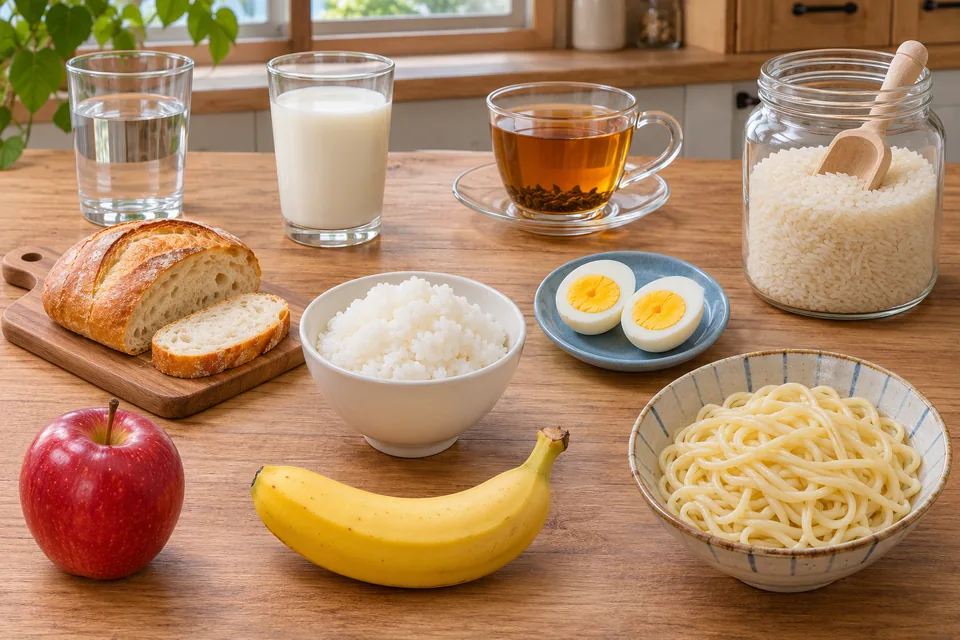
A kitchen counter with water, an apple, cooked rice, a banana, bread, an egg, milk, tea, noodles and a jar of uncooked rice.

Food & drinks

Find the bowl of cooked rice and the uncooked grains before naming either. 米饭 is what you might order for lunch. 大米 is the ingredient you would buy to cook it. Ask pairs to assemble one imaginary lunch and read their choices back to each other.

In the scene

  • 水shuǐwater
  • 苹果píngguǒapple
  • 米饭mǐfànrice
  • 香蕉xiāngjiāobanana
  • 面包miànbāobread
  • 鸡蛋jīdànegg
  • 牛奶niúnǎimilk
  • 茶chátea
  • 面条miàntiáonoodles
  • 大米dàmǐuncooked rice

Classroom extensions

  • 杯子bēizicup
  • 碗wǎnbowl
Open food & drinks practice

Cover the word list. Choose three things in the picture and write or say their names in Mandarin.

A market stall with napa cabbage, leafy greens, spinach, cucumbers, eggplants, tomatoes, potatoes, carrots, mushrooms, bean sprouts, chilies and winter melon.

Vegetables

Give partners a shopping list of three items from the market scene. One partner plays the customer and asks for a vegetable. The other points to it before repeating its name. Swap roles and change one item on the list, so listening matters on the second turn.

In the scene

  • 白菜báicàinapa cabbage
  • 青菜qīngcàileafy greens
  • 菠菜bōcàispinach
  • 黄瓜huángguācucumber
  • 茄子qiézieggplant
  • 西红柿xīhóngshìtomato
  • 土豆tǔdòupotato
  • 胡萝卜húluóbocarrot
  • 蘑菇mógumushroom
  • 豆芽dòuyábean sprouts
  • 辣椒làjiāochili pepper
  • 冬瓜dōngguāwinter melon
Open vegetables practice

Cover the word list. Choose three things in the picture and write or say their names in Mandarin.

A breakfast table with congee, baozi, youtiao, soy milk, mantou, boiled eggs, xiaolongbao, a fried egg, milk, noodles, pickles and scallion pancakes.

Breakfast

Let each learner order two things from the table. A student could ask for 豆浆 and 包子 while a partner points to the drink and the bun. Compare 馒头 with 包子 and ask which one usually has a filling. Finish by ordering again with the word list covered.

In the scene

  • 粥zhōucongee
  • 包子bāozistuffed steamed bun
  • 油条yóutiáofried dough stick
  • 豆浆dòujiāngsoy milk
  • 馒头mántouplain steamed bun
  • 鸡蛋jīdànegg
  • 小笼包xiǎolóngbāosoup dumpling
  • 煎蛋jiāndànfried egg
  • 牛奶niúnǎimilk
  • 面条miàntiáonoodles
  • 咸菜xiáncàipickled vegetables
  • 葱油饼cōngyóubǐngscallion pancake
Open breakfast practice

Cover the word list. Choose three things in the picture and write or say their names in Mandarin.

Three ways to use the pictures in class

Call a name, say a word

Give each group three jobs: caller, speaker, and checker. The caller points to a detail and names a classmate. The speaker says the Chinese word. The checker looks at the pinyin and plays the sound if the pair want another listen. Rotate jobs after each item. If a speaker gets stuck, offer two choices aloud and let them point before they try saying the word. End the round by returning to the first picture with a different caller.

Look at the picture and supply the measure word

Place a book and a sheet of paper beside the projected scene. Say 一 and pause, then say 书. Invite the class to fill the gap with 本 and say the whole phrase. Repeat with 张 and 纸. For a second round, give pairs the nouns in reverse order. Ask each partner to choose the classifier before their partner gives the answer. Changing the order helps you hear who can choose the word independently.

Listen first, then choose a picture

Give pairs a printed scene and keep the device at your desk. Play one Mandarin word with the screen facing you. Both partners point silently to their choice before either says the answer. Reveal the word or point to the object on the projected scene, then play it again. If your classroom computer has no Mandarin voice installed, read the cue yourself. Make the last round a student’s turn to give the spoken clue.

Choosing a starting point

K–12 beginners

For young children, begin with three animals and let pointing count as a first response. Bring in the spoken word on the next turn. With older beginners, try food or breakfast and ask classmates to build different orders from the same picture. Both groups can use the same sheet with a different task.

First-year university Mandarin

Project a scene for pair work before a dialogue exercise. Ask one student to make a request and the other to identify the item and repeat the noun with its measure word. Have partners listen for one feature, such as the tone on 本, and give each other a second try.

Adult and independent learners

Pick a scene you can revisit away from the screen. Name three breakfast items before a meal, or say a color when choosing a shirt. Later, reopen the picture, check the characters and pinyin, and try those words in a short phrase. A parent studying alongside a child can take the same turns.

Questions from teachers and parents

Do my students need an account?

No. Open any of the eight linked units in a browser and start. You can project a single device, share the unit link with families, or ask students to work in pairs on a classroom computer.

Can students hear the words in Mandarin?

Yes. The practice can play Mandarin pronunciation using a compatible voice on the device. Try one word on the classroom computer and speakers before class. If the browser reports that no Mandarin voice is available, the written pinyin is still available as a guide.

Can I download or print the Chinese picture cards?

Yes. Download the eight-page PDF for an offline copy, or select “Print the eight scene sheets” to open the browser’s print dialog. Use the sheets as free Chinese worksheets: cover the word bank, name three things in the picture, then check the characters and tones. Audio and interactive answers run in the online units.

Do the sets use simplified or traditional Chinese?

The scenes display simplified Chinese with pinyin. Some exercises also accept traditional characters when you type, such as 貓 for 猫 in the animals scene. There is no site-wide switch to display all the scenes in traditional characters.

May I use the sets in a paid class?

Yes. You can project the scenes, print the sheets for your students, and use the practice in a paid Mandarin class or tutoring session. Give students the link to the unit you used so they can revisit the same words at home.