


量词怎么配 · Choosing measure words
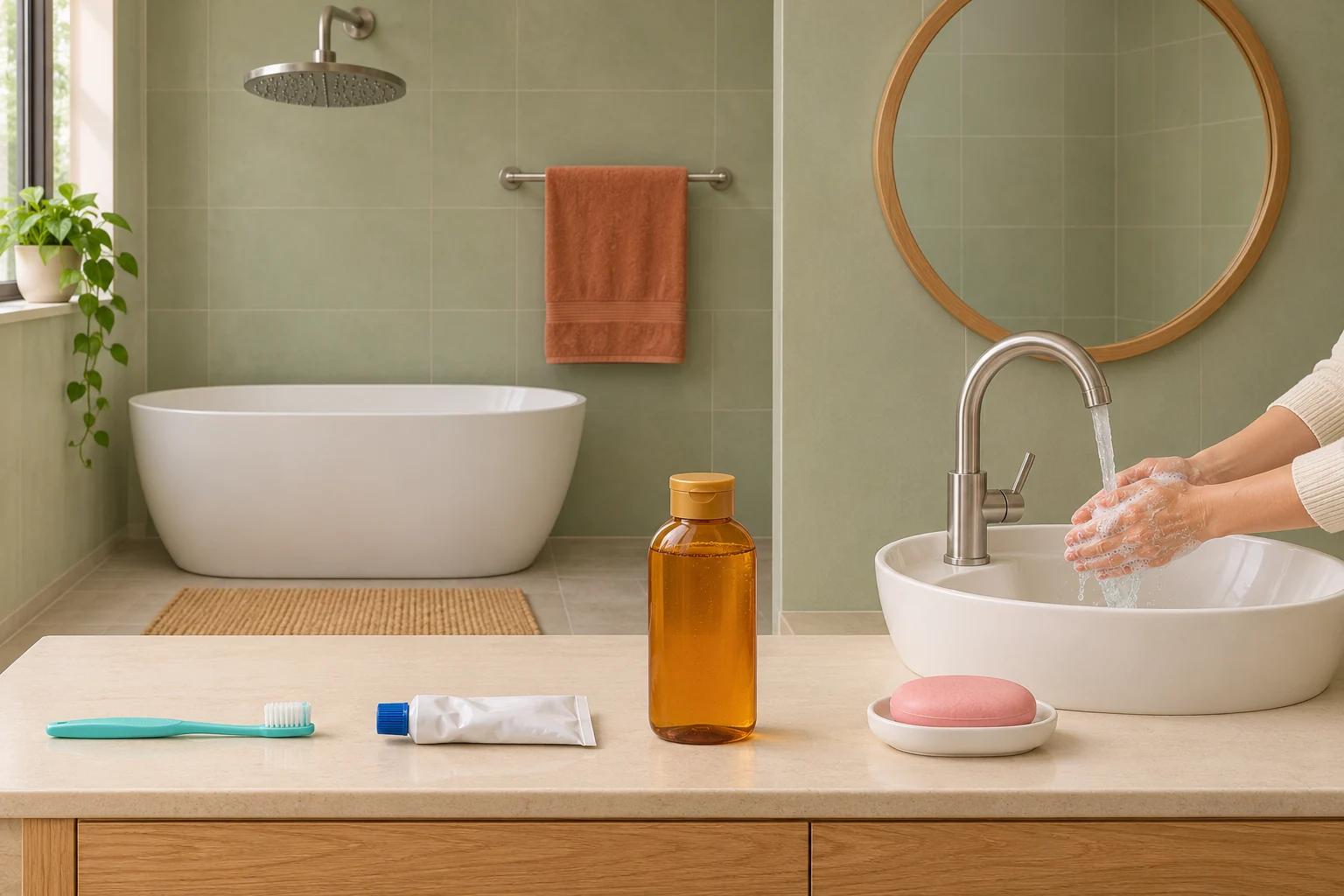
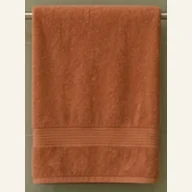
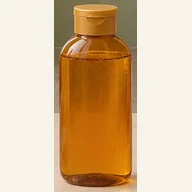
Gather 一块毛巾 (yí kuài máojīn), 一支牙刷 (yì zhī yáshuā) and 一瓶洗发水 (yì píng xǐfàshuǐ). 块 works for a piece of cloth such as a towel; 条 is also common for towels. 支 counts the slender brush, while 瓶 counts the shampoo by its container. Hold up an empty bottle and say 一个瓶子 to switch from counting shampoo to naming the container itself.
在中文里怎么用 · Using these words in Chinese
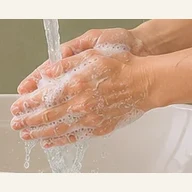
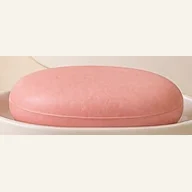
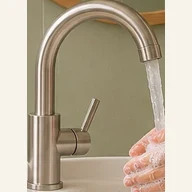
Describe a morning at the sink by choosing a verb for what happens to each part of the body. Wash your face with 洗脸 and wash your hands with 洗手. The water and soap in the scene help you remember 洗. When you move to your teeth, change the verb to 刷. The everyday phrase is 刷牙, with the action first. Reverse the same two characters and you have 牙刷, the tool you pick up.
Once your hands are wet, reach for a towel and say 擦手. Add 干 to describe the result: 我用毛巾擦干手 means that you use the towel to dry your hands. The object can change while the action stays the same. 擦脸 describes wiping your face, and 擦镜子 describes wiping the mirror. If the important part is rinsing your face with water, choose 洗脸 instead. For shampooing your hair, use 洗头 or 洗头发.
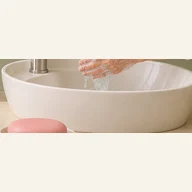
Now put the actions in order for someone using the bathroom for the first time. Open the tap, wash your hands, turn the tap off, and dry your hands with a towel. Use 水龙头 for the fixture you turn and 洗手盆 for the basin below it. A partner can point to each object as you speak, then repeat the sequence with the picture covered. For listening practice, leave one step out and ask a partner what you forgot. If you still have wet hands, the missing action is drying them. If there is toothpaste on the brush, the next action involves your teeth.