Chinese Clothes

1 / 12Score 0
Three rows of clothing, from a shirt, T-shirt, sweater and jacket at the top to a belt, trousers, shoes and socks at the bottom.
What is inside the red frame? Type its Chinese name.

SAY IT IN CHINESE

shirt

Type Chinese characters or pinyin.

Clothing vocabulary
PictureChinesePinyinEnglishExample sentence
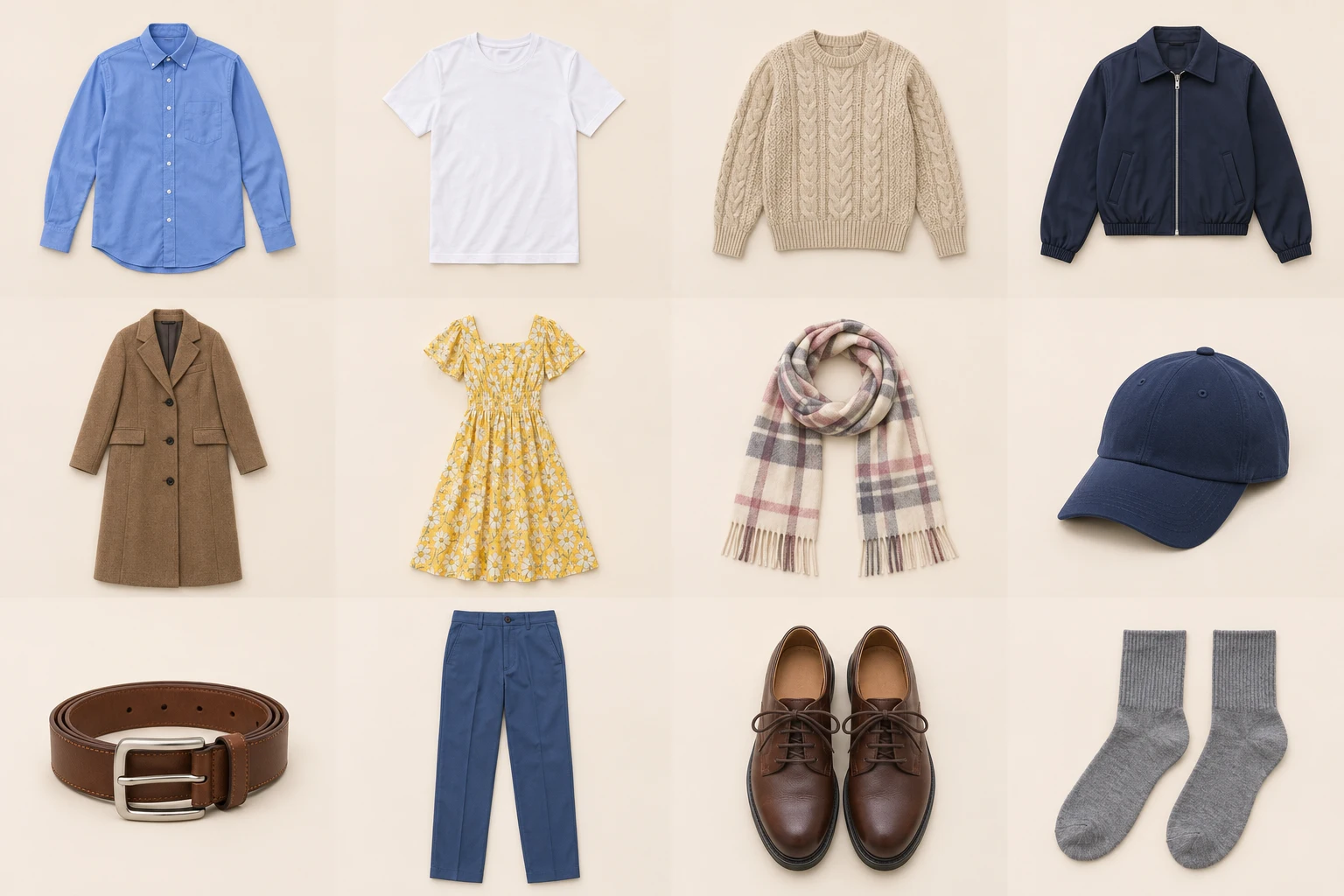
shirt in Chinese 衬衫衬衫chènshānshirt

我把衬衫的扣子扣好。

Wǒ bǎ chènshān de kòuzi kòuhǎo.

I button up my shirt.

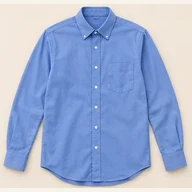
T-shirt in Chinese T恤T恤T xùT-shirt

我穿白色的T恤。

Wǒ chuān báisè de T xù.

I’m wearing a white T-shirt.

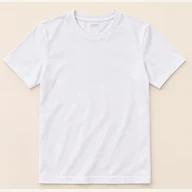
sweater in Chinese 毛衣毛衣máoyīsweater

这件毛衣是奶奶织的。

Zhè jiàn máoyī shì nǎinai zhī de.

Grandma knitted this sweater.

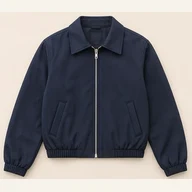
jacket in Chinese 夹克夹克jiākèjacket

出门前我穿上了夹克。

Chūmén qián wǒ chuānshàng le jiākè.

I put on my jacket before going out.

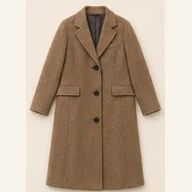
overcoat in Chinese 大衣大衣dàyīovercoat

你的大衣挂在门后。

Nǐ de dàyī guà zài mén hòu.

Your overcoat is hanging behind the door.

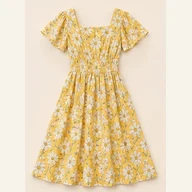
dress in Chinese 连衣裙连衣裙liányīqúndress

她选了一条黄色的连衣裙。

Tā xuǎn le yì tiáo huángsè de liányīqún.

She chose a yellow dress.

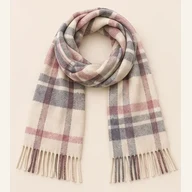
scarf in Chinese 围巾围巾wéijīnscarf

今天风大,我围了一条围巾。

Jīntiān fēng dà, wǒ wéi le yì tiáo wéijīn.

It’s windy today, so I wrapped a scarf around my neck.

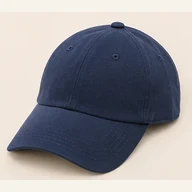
hat in Chinese 帽子帽子màozihat

进教室前请摘下帽子。

Jìn jiàoshì qián qǐng zhāixià màozi.

Please take off your hat before entering the classroom.

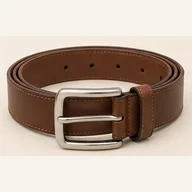
belt in Chinese 腰带腰带yāodàibelt

我系好腰带再出门。

Wǒ jìhǎo yāodài zài chūmén.

I fasten my belt before I go out.

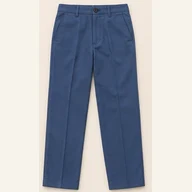
trousers in Chinese 裤子裤子kùzitrousers

这条裤子有点长。

Zhè tiáo kùzi yǒudiǎn cháng.

These trousers are a little long.

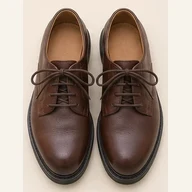
shoes in Chinese 鞋鞋xiéshoes

门口那双鞋是我的。

Ménkǒu nà shuāng xié shì wǒ de.

That pair of shoes by the door is mine.

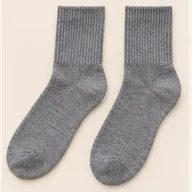
socks in Chinese 袜子袜子wàzisocks

我把袜子放进抽屉里。

Wǒ bǎ wàzi fàngjìn chōuti lǐ.

I put my socks in the drawer.

Listen uses a Mandarin voice available in your browser or on your device. If no voice is available, the pinyin and examples remain available to read.

量词怎么配 · Choosing measure words

Count a shirt with 件: 一件衬衫 (yí jiàn chènshān). A pair of trousers counts as one long garment: 一条裤子 (yì tiáo kùzi). Shoes come in matched pairs, so 一双鞋 (yì shuāng xié) means two shoes that belong together. If one shoe is missing, point to the shoe you have and say 一只鞋. The same contrast works for a pair of socks and a single sock.

在中文里怎么用 · Using these words in Chinese

Imagine getting ready at the door on a cold morning. Your shirt, sweater, trousers and shoes all take 穿 (chuān). You can say 我穿衬衫 when talking about what you wear, or 我穿上衬衫 when describing the moment you put the shirt on. The extra syllable 上 moves the story forward. If a friend asks what you are wearing right now, 我穿着一件蓝衬衫 describes the blue shirt already on your body.

For a hat, use 戴 (dài). The short expression 穿衣戴帽 puts the two verbs next to the objects they go with: clothes on the body, a hat on the head. A scarf allows a little more detail. 戴围巾 tells someone that you wear a scarf, while 围围巾 draws attention to wrapping it around your neck. To take off a coat say 脱大衣. To take off a hat say 摘帽子.

A belt gives you a third action. Look at the buckle in the picture and say 系腰带. Here 系 is pronounced jì and means to fasten or tie. Say 系好腰带 when you want the fastening finished before the next action. Try describing a whole outfit to a partner. Have the partner choose the matching items from the picture, then change just the hat or the trousers and describe the outfit again. For a listening check, name two changes before your partner looks. Ask them to pick up the jacket and put down the scarf. Then have them describe what they are wearing using just one of those items.

Frequently asked questions

How do I say I am wearing a shirt?

Say 我穿着一件衬衫. 穿着 describes the shirt already on your body. To describe getting dressed, use 穿上 and say 我穿上衬衫. The two sentences can describe different moments of the same morning.

Which verb goes with a hat?

Use 戴帽子 when someone wears a hat and 摘下帽子 when they take it off. 穿衣戴帽 is a handy phrase to recall the contrast between dressing the body and putting on headwear.

Why does one pair of trousers take 条?

Mandarin counts the whole garment with 条. Point to one pair and say 一条裤子. To ask for two pairs of trousers, change the number to 两 and say 两条裤子.

How do I count a pair of shoes or socks?

Use 双 for a matching pair: 一双鞋 or 一双袜子. If you find just one shoe under a chair, say 一只鞋. 双 already supplies the idea of a pair.

How is 系 pronounced in 系腰带?

Read it as jì. The phrase describes fastening the belt. In 我系好腰带再出门, 好 signals that the buckle is secure before the speaker leaves the house.