






星期、周和礼拜 · Naming the days
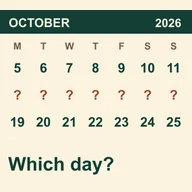
Most day names follow a pattern you can hear in 星期一 (xīngqī yī), Monday, and 星期六 (xīngqī liù), Saturday. Start with 星期 and count from one to six. Sunday has two names, 星期日 (xīngqī rì) and 星期天 (xīngqī tiān). You will also meet 周 (zhōu) in schedules and messages. For example, 周三 and 星期三 both mean Wednesday. In conversation someone might say 礼拜三 (lǐbài sān) for the same day. To talk about the weekend as a whole, use 周末. To ask which day someone means, replace the name of the day with 几 and say 星期几?
在中文里怎么用 · Using these words in Chinese
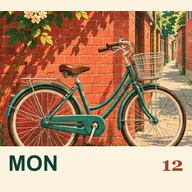
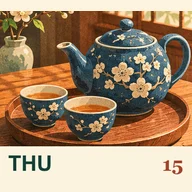
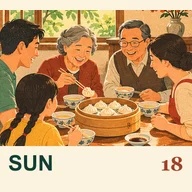
Use the illustrated planner to arrange a meeting with a friend. Start with 你星期几有空? to ask which day they are free. They might answer 我星期四有空, or simply 星期四. The question word 几 occupies the same position as 四 in the reply. If you would like to ask about today instead, say 今天星期几? A day of the week is enough to answer that question. To ask for the numbered date on a ticket, ask 几号?
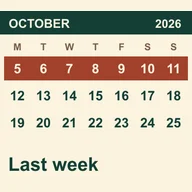
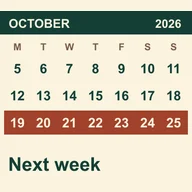
Now narrow the plan down to a particular week. 上周 points to last week, 本周 or 这周 points to this week, and 下周 points to next week. Combine the week and the day to say exactly when something happens. 下周五 means next Friday. You can give the same information in a longer form, 下个星期五. Put the time of day after the weekday. 下周五晚上 means next Friday evening. In a message to a friend, 下周五晚上一起看电影吗? gives them both a plan and a time.
For a regular activity, put 每 before the weekday expression. 我每周三打篮球 means that you play basketball every Wednesday. Compare that with 我这周三打篮球, which puts the game on Wednesday of this particular week. Take turns pointing to different planner cards. Have one person suggest a single appointment and the other turn it into a weekly routine. To check the difference, ask whether you should write it into the calendar once or repeat it every week.