Chinese Body Parts

1 / 12Score 0
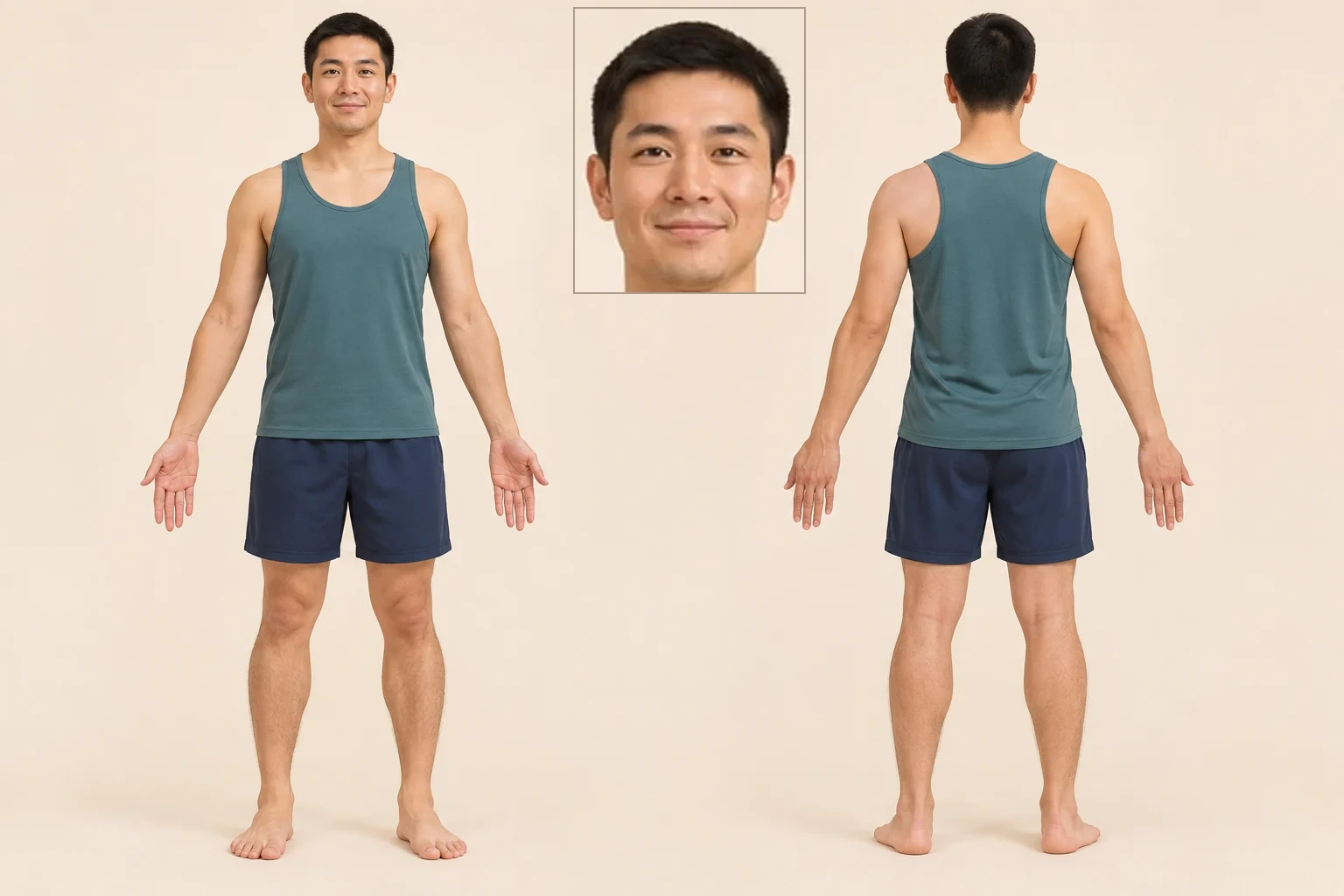
Front and back views of a barefoot adult with an enlarged front view of the eyes and mouth between the figures.
Which body part is inside the red frame?

SAY IT IN CHINESE

head

Type Chinese characters or pinyin.

Body part vocabulary
PictureChinesePinyinEnglishExample sentence
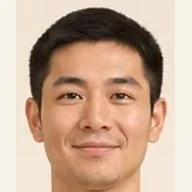
head in Chinese 头头tóuhead

请轻轻点一下头。

Qǐng qīngqīng diǎn yíxià tóu.

Please nod your head gently.

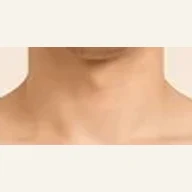
neck in Chinese 脖子脖子bózineck

这条围巾围在脖子上。

Zhè tiáo wéijīn wéi zài bózi shang.

This scarf goes around the neck.

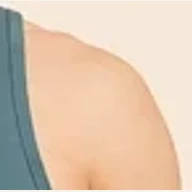
shoulder in Chinese 肩膀肩膀jiānbǎngshoulder

书包搭在她的肩膀上。

Shūbāo dā zài tā de jiānbǎng shang.

The schoolbag hangs from her shoulder.

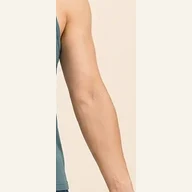
arm in Chinese 手臂手臂shǒubìarm

他慢慢抬起手臂。

Tā mànmàn táiqǐ shǒubì.

He slowly raises his arm.

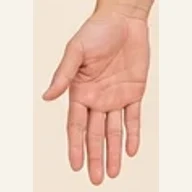
hand in Chinese 手手shǒuhand

请伸出左手。

Qǐng shēnchū zuǒshǒu.

Please hold out your left hand.

belly in Chinese 肚子肚子dùzibelly

孩子摸了摸肚子。

Háizi mō le mō dùzi.

The child patted their belly.

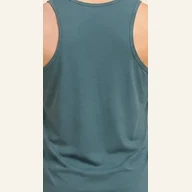
back in Chinese 背背bèiback

她把背靠在椅子上。

Tā bǎ bèi kào zài yǐzi shang.

She rests her back against the chair.

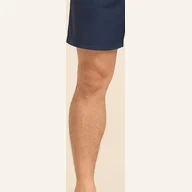
leg in Chinese 腿腿tuǐleg

跑步前我先伸伸腿。

Pǎobù qián wǒ xiān shēnshen tuǐ.

I stretch my legs before running.

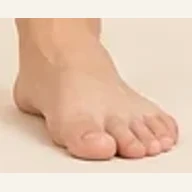
foot in Chinese 脚脚jiǎofoot

我的右脚踩在垫子上。

Wǒ de yòujiǎo cǎi zài diànzi shang.

My right foot is on the mat.

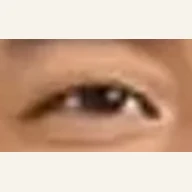
eye in Chinese 眼睛眼睛yǎnjingeye

她闭上一只眼睛。

Tā bìshàng yì zhī yǎnjing.

She closes one eye.

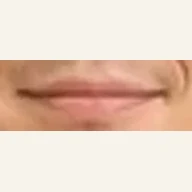
mouth in Chinese 嘴嘴zuǐmouth

他张开嘴说了一个字。

Tā zhāngkāi zuǐ shuō le yí ge zì.

He opens his mouth and says one word.

knee in Chinese 膝盖膝盖xīgàiknee

她把手放在膝盖上。

Tā bǎ shǒu fàng zài xīgài shang.

She puts her hand on her knee.

Listen uses a Mandarin voice available in your browser or on your device. If no voice is available, the pinyin and examples remain available to read.

量词怎么配 · Choosing measure words

Count one eye with 一只眼睛 (yì zhī yǎnjing), one mouth with 一张嘴 (yì zhāng zuǐ), and one hand with 一只手 (yì zhī shǒu). A long limb takes 条 in 一条腿 (yì tiáo tuǐ). Pairing and shape help you remember the customary combinations. Use 两只手 when both hands move together, as when you clap, and 一只手 when only one hand holds something.

在中文里怎么用 · Using these words in Chinese

Stand in front of the picture and copy a movement slowly enough for a partner to name it. If only the fingers and palm are in the frame, use 手. If the movement starts at the shoulder and lifts the whole limb, 手臂 is more precise. The same distinction helps with 脚 and 腿: the foot presses against the floor while the leg bends at the knee. Turn to the second figure for 背, the surface behind the chest and shoulders.

Mandarin speakers use several measure words for body parts. Shape is a useful memory aid alongside the expressions people actually say. Use 条 for a long limb such as a leg, 张 for a mouth that opens, and 只 for one eye or one hand of a pair. Practice contrasting 一只手 with 一条腿 while pointing. These are familiar pairings to learn with the noun; matching the outline alone will not predict every classifier.

In instructions you often leave the number out. 请伸出左手 already identifies the hand by its side. Add a number when the contrast matters: 闭上一只眼睛 asks your partner to close just one eye. To describe the result of a pose, put the location after the action. 把手放在膝盖上 tells someone exactly where to rest their hand. When copying a person who faces you, check whose left and right you mean before adding 左 or 右. For a turn at giving directions, ask a partner to touch one knee with the opposite hand. Have them describe the final pose while you follow the words with your eyes closed.

Frequently asked questions

Which classifier goes with a single eye?

Use 一只眼睛 for one eye and 两只眼睛 for two eyes. To make the number matter in conversation, ask a partner to close just one eye and say 闭上一只眼睛.

Why do I hear 张 in 一张嘴?

张 is the usual classifier for a mouth in this expression. The opening shape is a helpful reminder. 张开嘴 means to open your mouth; there 张开 is an action, rather than a count.

How can I distinguish 手 from 手臂?

手 names the hand, including palm and fingers. 手臂 names the arm. 伸出手 is a natural request to hold out a hand, while 抬起手臂 asks for a movement of the whole arm.

Do I use 只 or 条 for a leg?

Use 一条腿 for one leg. Compare 一只脚, one foot. The picture lets you trace the longer limb down toward the floor and then point to the smaller part touching it.

What does 背 mean in this picture?

Here 背 is bèi, the back of the body. Use the rear view to locate it. In 把背靠在椅子上, the speaker is describing the surface that rests against the chair.