









Chinese Emotions

1 / 12Score 0
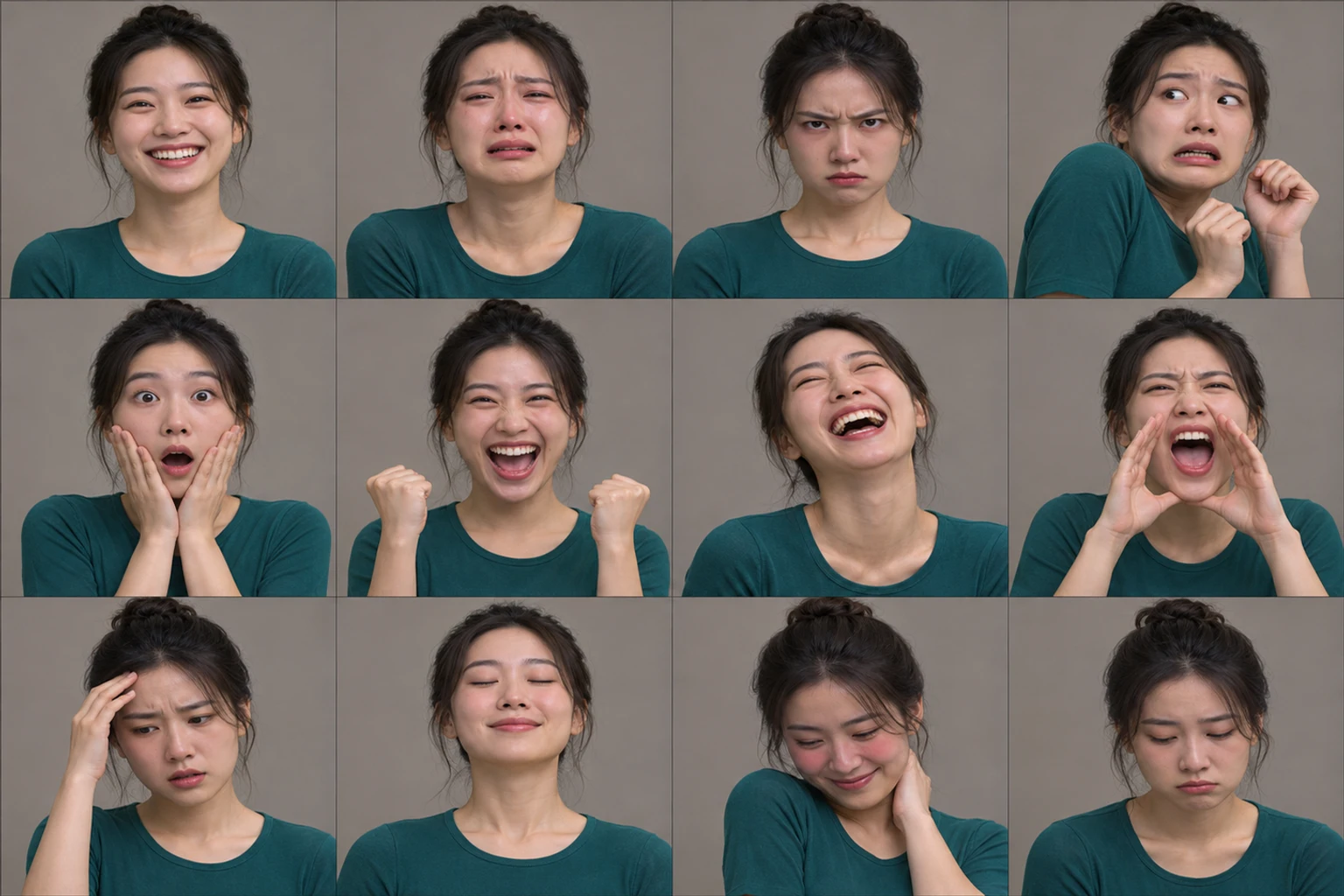
Twelve portraits in three rows show a woman expressing feelings or actions, including laughing, shouting, worrying, looking calm, feeling shy and looking disappointed.
How does the person feel, or what is she doing?

SAY IT IN CHINESE

happy

Type Chinese characters or pinyin.

Feelings and actions
PictureChinesePinyinEnglishExample sentence
happy in Chinese 开心的开心的kāixīn dehappy

她听到这个消息很开心。

Tā tīngdào zhège xiāoxi hěn kāixīn.

She’s happy to hear the news.

sad in Chinese 难过的难过的nánguò desad

告别时我有点儿难过。

Gàobié shí wǒ yǒudiǎnr nánguò.

I feel a little sad when we say goodbye.

angry in Chinese 生气的生气的shēngqì deangry

他为什么这么生气?

Tā wèishénme zhème shēngqì?

Why is he so angry?

afraid in Chinese 害怕的害怕的hàipà deafraid

天黑以后妹妹有点儿害怕。

Tiān hēi yǐhòu mèimei yǒudiǎnr hàipà.

My little sister feels a little scared after dark.

surprised in Chinese 惊讶的惊讶的jīngyà desurprised

大家露出了惊讶的表情。

Dàjiā lùchū le jīngyà de biǎoqíng.

Everyone looked surprised.

excited in Chinese 兴奋的兴奋的xīngfèn deexcited

比赛前我们都很兴奋。

Bǐsài qián wǒmen dōu hěn xīngfèn.

We’re all excited before the game.

to laugh out loud in Chinese 大笑大笑dàxiàoto laugh out loud

这个故事让大家大笑起来。

Zhège gùshi ràng dàjiā dàxiào qǐlai.

The story makes everyone burst out laughing.

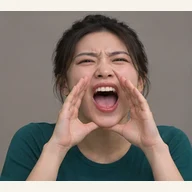
to shout in Chinese 大喊大喊dàhǎnto shout

他朝门口大喊了一声。

Tā cháo ménkǒu dàhǎn le yì shēng.

He shouts toward the doorway.

worried in Chinese 担心的担心的发愁的dānxīn defāchóu deworried

她在为明天的考试发愁。

Tā zài wèi míngtiān de kǎoshì fāchóu.

She’s worrying about tomorrow’s exam.

calm in Chinese 平静的平静的píngjìng decalm

听完音乐,我的心情平静了。

Tīngwán yīnyuè, wǒ de xīnqíng píngjìng le.

I feel calmer after listening to music.

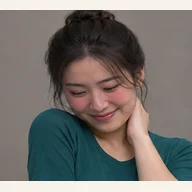
shy in Chinese 害羞的害羞的hàixiū deshy

他第一次见面时有点儿害羞。

Tā dì yī cì jiànmiàn shí yǒudiǎnr hàixiū.

He feels a little shy when meeting someone for the first time.

disappointed in Chinese 失望的失望的shīwàng dedisappointed

计划取消了,我有点儿失望。

Jìhuà qǔxiāo le, wǒ yǒudiǎnr shīwàng.

I’m a little disappointed that the plan was canceled.

Listen uses a Mandarin voice available in your browser or on your device. If no voice is available, the pinyin and examples remain available to read.

怎么形容程度 · Describing intensity

Feelings in these examples are described by degree. 很开心 (hěn kāixīn) is a natural everyday way to say someone is happy. 有点儿开心 (yǒudiǎnr kāixīn) can express a small or tentative bit of pleasure, for instance when an unexpected compliment secretly pleases you. 非常开心 (fēicháng kāixīn) makes the strength explicit. For a particularly natural first example with 有点儿, try 有点儿担心 when a friend is late.

在中文里怎么用 · Using these words in Chinese

Pick a portrait and decide whether you want to name an expression or tell someone how you feel. To describe a noun with one of these longer descriptive words, put 的 between the description and the noun. 开心的表情 means a happy expression. In 她露出了开心的表情, the last word tells the listener what she showed. You can keep 表情 and replace 开心 with 惊讶 to describe a different face.

When you say how a person feels, let the description finish the sentence. 我很开心 is a complete response to good news. You can use 我有点儿失望 after a plan falls through, or 我非常开心 after an especially welcome surprise. In an ordinary statement about your own feeling you do not add 的 after 开心. The degree word comes before the feeling. In a neutral sentence 很 often makes the description sound natural without insisting that the feeling is unusually intense.

Watch the difference between a feeling and an observable action. 大笑 describes laughing out loud, and 大喊 describes shouting. Someone might shout because they are angry, scared or simply trying to be heard. When reporting what you saw, describe the shout first and leave its cause open. If you know the reason for a worried face, add it: 我担心明天的考试 names the exam directly, while 我在为明天的考试发愁 describes worrying over it. To practice with a classmate, describe the same portrait twice. First say what kind of expression the person has. Then speak as the person in the picture and give a reason for feeling that way.

Frequently asked questions

Why do the cards say 开心的 but people say 我很开心?

The card gives a descriptive form you can put before a noun, as in 开心的表情. When saying how you feel, use 我很开心. A straightforward statement of feeling ends with 开心.

How do I make a feeling stronger or weaker?

Place the degree expression before the feeling. Compare 有点儿开心, a little happy, with 非常开心, extremely happy. 很开心 works well as an everyday answer when someone asks how you feel.

Do emotions take a measure word here?

No classifier is needed to say 我有点儿担心 or 我很平静. These phrases describe a state. To change its intensity, choose a degree expression such as 有点儿 or 非常.

How do 担心 and 发愁 differ in a sentence?

担心 can take the thing you worry about directly: 我担心考试. 发愁 often appears with 为, as in 我为考试发愁. Both descriptions fit the worried portrait, although they lead to different sentence patterns.

Is 大喊 another way to say 生气?

大喊 tells you someone shouted. 生气 describes anger. A shout might also come from excitement or fear, so choose the action word when that is all you can observe.